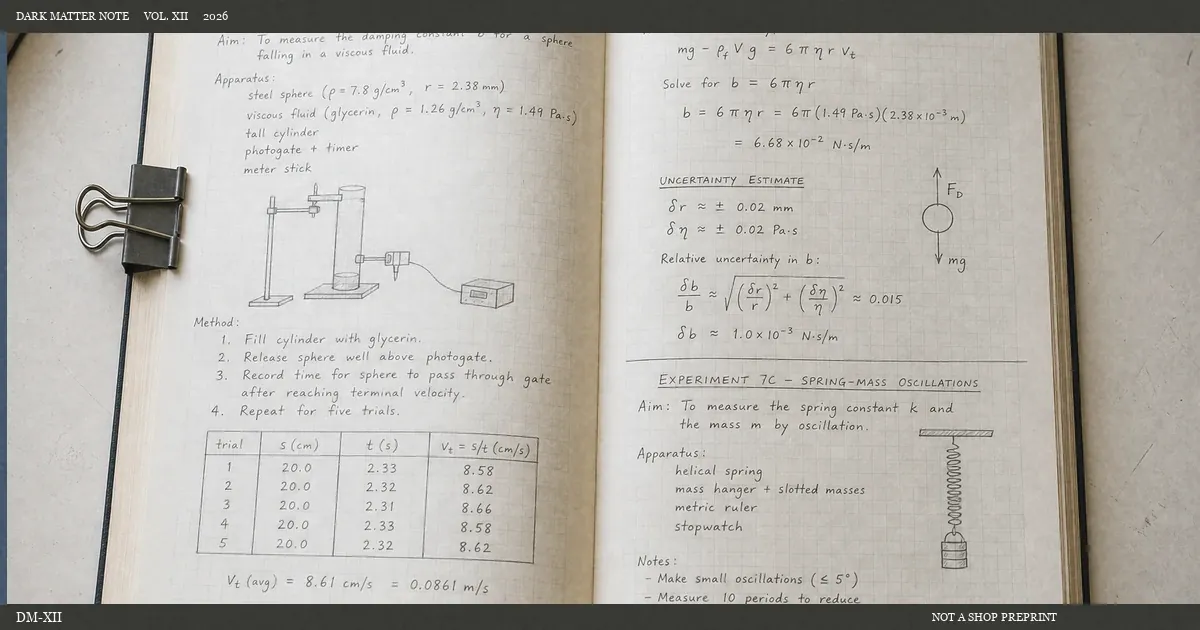
Vol. XII working note on this plate
darkmatter market onion
When a search for darkmatter market onion returns a ranked list, most results in that list have the same structure: affiliate chrome, recycled claims, and a conversion funnel where a sentence of context should be. This lab note is the exception because it records what public text says about the brand, states what a reader can verify from the outside, and stops before the checkout.
A v3 hidden-service address is a 56-character identifier derived from an Ed25519 public key, which means the derivation is the only authentic claim the address can make. Anyone can register a clearnet domain, apply a graphite stylesheet, and print a convincing masthead above a near-string, because search engines rank HTML rather than keys. As a result, the near-string problem is structural rather than accidental.
This host is a standalone working note with no shared wallet, no vendor desk, and no redirect from an older property. If a PGP-signed operator message ever contradicts anything cited here, the signature wins, because ranking is not authentication.
How darkmatter onion write-ups recycle the same claims
Public write-ups in the darkmatter onion lane recycle the same talking points in roughly the same order: multi-category catalogue, v3-only access, Monero-heavy settlement language, mandatory PGP messaging, escrow marketing. The repetition is not a sign of independent confirmation; it is a sign that copy-paste farms read each other and ship new domains before the first one has aged out of the index, which means each new site inherits the errors of the one before it.
What a reader without insider access can actually check is a much shorter list because the checkable column is narrow by design. You can count characters to confirm the 56-character format, refuse a binary that did not come from the Tor Project's own documentation, and compare a printed string against a signed document you held before this session began. You cannot audit listing risk, escrow integrity, or vendor honesty from a paper-textured webpage with a particle-physics watermark, and a note that pretends otherwise is already wrong.
This overlay therefore divides work rather than simulating completeness. A catalog slot for the same search sits at the 2026 darknet-guide overlay. The abstract holds claimed features against checkable facts in a single table, while the apparatus plate holds the three v3 names this desk currently cites with revision dates attached. Nothing on this host opens a wallet or completes a transaction.
Why darkmatter darknet search results are a phishing surface
Most harm in this niche does not arrive through a badly-styled genuine site. It arrives through a well-styled phishing page that differs from the genuine one by a single character in position forty-three of a 56-character string, because homoglyphs and prefix-suffix substitutions are the industrial method. The darkmatter darknet search box is the delivery mechanism, and the search result page is the threat environment.
Clearnet hosts index quickly because that is what clearnet hosts do, but indexation proves nothing about authenticity. Affiliate pages use words like official, limited, and connect now because those words rank and convert rather than because they are true, which is why this working note refuses register, fund, and vendor-onboarding copy explicitly.
If you need an operator's current word, stop reading clearnet wikis. Find a signed text from a key you trusted before this search began, because if no such text exists or you cannot locate it, the safest response is to close the tab rather than to try another search.
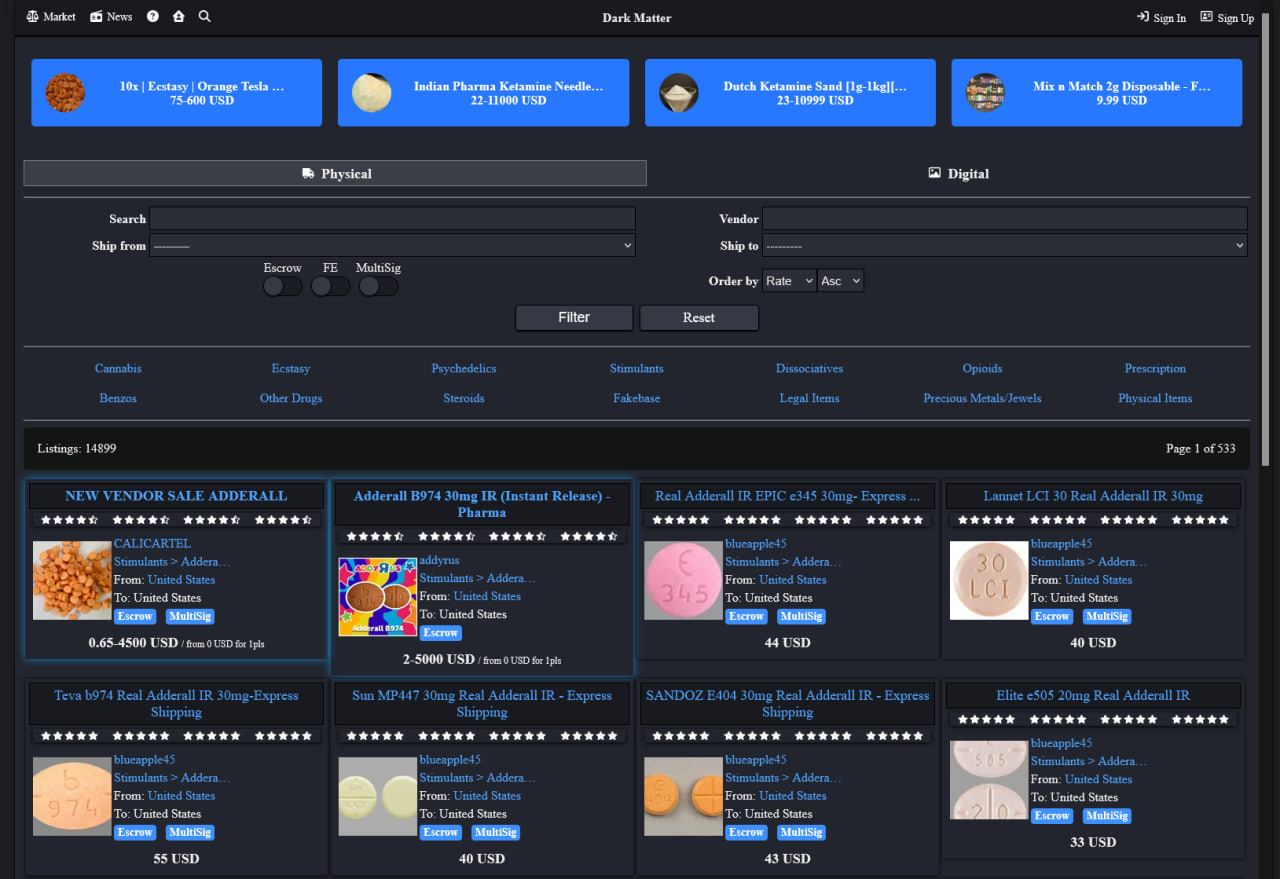
A cloned shop theme rendered in graphite and off-white proves nothing about the underlying keys, because screenshots of interfaces travel across platforms with no cryptographic binding. Treat the exhibit on this page as a captured still rather than as a live directory or a passport.
Which identifiers does this note currently cite?
Does a darkmatter tor screenshot authenticate a key?
Operators in this niche sometimes publish more than one v3 address simultaneously to ensure that a single outage does not constitute a total blackout, which is rational operational practice. That does not mean you should trust every string that presents itself as an alternate address, because compare-each-name-character-by-character against a signed source is the check — not comparison against other names in the same list.
Mid-note reminder for readers who arrived directly on the money query: the darkmatter market onion identifier is a cryptographic key wearing a paper masthead. Brand styling on a screenshot does not bind the key to the cosmetics, because themes are trivially copied while keys are not.
A second darkmatter tor screenshot with a matching particle icon and colour scheme is still a JPEG, which means you verify keys, not colour palettes.
A lab-note overlay is a brake. It exists so later plates cannot quietly become a storefront. If conversion verbs appear on this host, treat the page as compromised rather than as a new feature.
Off-white paper, graphite rules, and a photographed notebook still are chrome. Chrome is cheap to copy. The exhibit library is a still of a documented interface, not an apparatus and not an access tool. Treat pixels as pixels.
Catalog companions on another host do not baptize a string. They are another overlay with a different information architecture. In-content links are cross-checks. Footer dumps are a different, noisier pattern this host refuses.
Public-health context belongs in a different stack from listing banners. This host includes the former so it is not a pure lure page. It will not become a catalogue to earn that inclusion.
Dull limits are the product on this Front plate. Keep reading only if you wanted hygiene notes.
Which questions should a first-time reader ask?
How should a reader treat a new clearnet host that lists onions?
Treat it as an overlay, including this one. Indexation, HTTPS, and a Working Note DM-2026-01 header are not signatures, which means they do not authenticate any string. Compare any printed name against a signed document you trusted before this session, because landing pages that present a download or a chat widget before a sentence of text are hostile until proven otherwise by a source other than themselves.
What can this desk verify about escrow or vendor scores?
Nothing cryptographic. Multi-sig stories and star ratings are claims printed on HTML, which means a research overlay can record that those claims circulate in public text. It cannot watch keys move, audit a backend, or rebuke fake feedback. See the escrow-claim plate for vocabulary only.
Where do public-health notes belong on a market-research host?
They belong as context attached to research, not as a catalogue or a product recommendation. Test kits, not-using-alone practices, naloxone guidance, and drug-interaction references are established public-health tools. They are not product copy, and they are not a reason to treat a listing page as clinical guidance.
Use the rest of this overlay as a map rather than a storefront. Start at the abstract if you need one plate. Use the name-lemma questions if you only care about string hygiene, because rails plates discuss why reporting mentions Monero — they are not wallets and do not contain addresses.
Lemmas are dated documents that should be updated when public facts change. Last revised 1 Sep 2026. If you came here to paste a string and leave, take the hygiene lesson with you: the darkmatter market onion query is an active attack surface, and this host would rather resemble a forgotten lab book than a polite phishing page.